How Often Should You Tune Your Piano?

“My piano was tuned three years ago. Does it really need doing again?”
We hear this question regularly from clients across the UK.
The answer is almost always yes.
Understanding why pianos go out of tune helps you keep your instrument sounding its best.
We want to explain the mechanics behind this schedule and how to save money on long-term maintenance.
Why Pianos Go Out of Tune
A piano contains roughly 230 strings.
Each one sits under approximately 70kg of tension.
That creates nearly 20 tonnes of combined tension across the frame.
We find that this tension shifts constantly due to several specific factors.
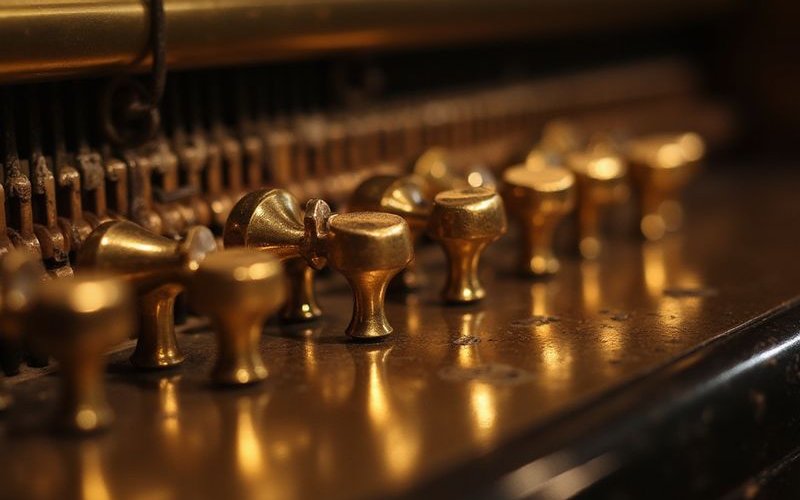
Humidity Changes
Wood absorbs and releases moisture with changes in humidity.
The soundboard swells when it absorbs moisture and pushes the strings tighter.
This physical expansion raises the pitch.
We see the pitch drop significantly when the wood dries out and shrinks.
In the UK, our variable climate makes this the primary cause of tuning instability.
Temperature Fluctuations
Temperature changes also affect tuning reliability.
Pianos near radiators or in conservatories are particularly vulnerable to these shifts.
We advise keeping instruments away from rooms with poor temperature stability.
Playing Impact
Every time you strike a key, you transfer energy through the strings.
This action gradually stretches the steel wire and affects the tuning stability over time.
Heavy playing accelerates this process significantly compared to light use.
Natural Settling
New strings stretch significantly in their first year.
We often see even established pianos experience gradual settling as components age.
The General Rule: Once a Year
Annual piano tuning is the absolute minimum recommendation for most home pianos in normal use.
We base this baseline on a few specific assumptions:
- The piano sits in a reasonably stable environment.
- You play it moderately for a few hours per week.
- The instrument is not brand new.
An annual tuning keeps your piano sounding pleasant.
We use this yearly visit to catch developing issues before they become expensive repairs.
When You Need More Frequent Tuning
Some situations call for tuning more often than once a year.
We recommend a more aggressive schedule for the following scenarios.
Twice-Yearly Tuning
Consider tuning every six months if specific conditions apply to your home.
We suggest this frequency if:
- Your piano is played daily.
- You are preparing for grade exams or performances.
- You have a sensitive ear and notice when pitch slips.
- The piano is used for teaching.
- You live in an area with significant seasonal humidity changes.
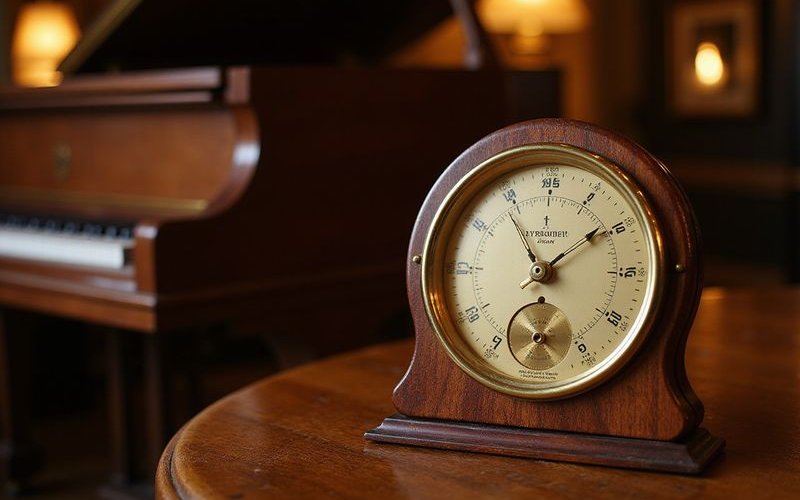
New Pianos: 3-4 Times in Year One
New pianos require more frequent tuning as the strings stretch and settle.
Most manufacturers, including Yamaha and Steinway, recommend tuning three to four times in the first year.
We find that the instrument settles into a regular schedule after this initial period.
After Moving
Pianos should be tuned two to four weeks after a move.
This delay allows the instrument to acclimatise to its new environment.
Different humidity levels, temperatures, and even altitude changes can affect the tuning stability.
After Repairs or Regulation
Significant work like string replacement or action repairs requires follow-up attention.
We will likely need to retune the instrument as components settle into their new positions.
Signs Your Piano Needs Tuning
You should watch for specific auditory signs between scheduled appointments.
Obviously wrong notes Certain notes may sound flat or sharp compared to their neighbours.
We recommend calling a technician immediately rather than waiting for your annual slot.
Beating or wavering sounds Unisons (the multiple strings for a single note) eventually drift apart.
You will hear a wavering or “beating” quality when this happens.
This issue is particularly noticeable in the middle register of the keyboard.
Difficulty playing with others Your piano might sound wrong when played alongside other instruments or recordings.
We often diagnose a drop in overall pitch when clients report this problem.
General muddy or dull sound A piano significantly out of tune often lacks clarity.
The sound becomes muddy even if you cannot identify specific wrong notes.
It has been more than a year Memory is not always reliable regarding maintenance schedules.
It is probably time to book an appointment if you cannot recall the last visit.
The Cost of Neglect
Leaving your piano untuned for extended periods causes more than just poor sound quality.
We warn clients that neglect can lead to physical damage and higher costs later.
Pitch Drop Risks
Pianos left untuned gradually drop in overall pitch below the standard A440 concert pitch.
We must perform a “pitch raise” if the tension drops more than a quarter tone.
This corrective procedure puts sudden stress on the frame and requires multiple tuning passes.
A standard tuning in the UK might cost between £70 and £90.
We often have to charge £120 or more for a pitch raise because of the extra time involved.
Ear Training Damage
Practising on an out-of-tune piano harms your pitch recognition.
Students risk damaging their musical development by learning on an unstable instrument.
Hidden Problems
Regular appointments allow your technician to spot developing mechanical issues.
We check for worn hammers, sticking keys, and loose tuning pins during every visit.
Catching these problems early saves money on major restoration work.
What Happens During a Tuning
A standard tuning typically takes 1 to 1.5 hours to complete properly.
We follow a systematic process to ensure stability and accuracy.
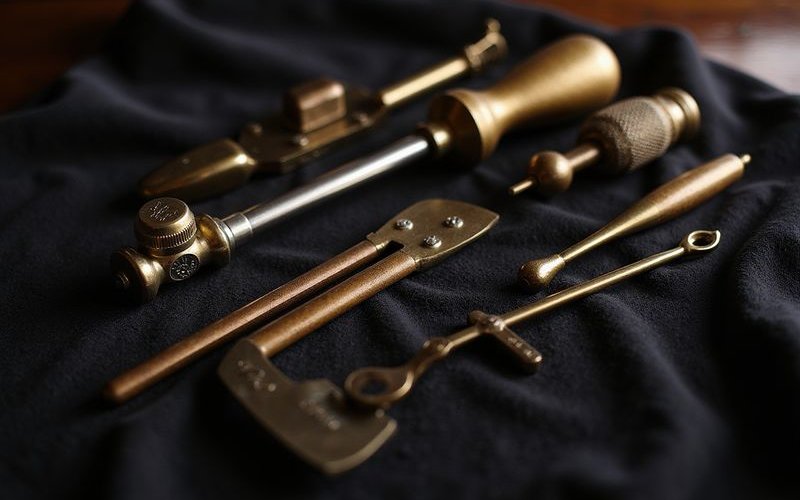
Setting Temperament
The tuner establishes accurate intervals in the middle octave first.
We use either traditional aural techniques or high-end electronic tuning devices for this step.
Tuning Octaves
The technician works outward from the middle section.
We match all notes across the keyboard to the established temperament.
Checking Unisons
This step ensures the two or three strings for each note are perfectly in tune with each other.
A clean unison is critical for a clear, singing tone.
Basic Inspection
Good tuners note any mechanical issues they observe.
We look for sticking keys or unusual noises even if we cannot repair them on the spot.
Keeping Your Piano in Tune Longer
No piano stays perfectly in tune indefinitely.
You can extend the time between tunings by managing the environment.
Controlling humidity Keep relative humidity between 40% and 60% for optimal stability.
We recommend using a humidifier in winter when central heating dries the air.
Maintaining stable temperature Avoid placing pianos near radiators, air conditioning vents, or in direct sunlight.
Rapid temperature shifts cause the metal plate to expand and contract.
Positioning thoughtfully Keep your piano away from exterior walls.
These walls experience more temperature variation than internal partitions.
Keeping the lid closed Shut the fallboard and top lid when you are not playing.
This simple habit reduces exposure to dust and sudden humidity fluctuations.
Professional vs DIY Tuning
Piano tuning is a skilled trade that takes years to master.
We have seen many piano owners attempt to use cheap apps with disastrous results.
A trained technician offers skills that software cannot replicate:
- Hearing the subtle beating patterns that determine precise tuning.
- Adjusting the tuning to suit the instrument’s individual inharmonicity.
- Handling problems like stuck pins or broken strings safely.
- Spotting developing mechanical issues.
- Performing basic regulation adjustments.
Attempting DIY tuning risks damaging the pin block or snapping strings.
We consider it a false economy that often results in a large repair bill.
The Bottom Line
Most pianos need tuning at least once a year.
We recommend twice-yearly service for instruments in frequent use.
New pianos need more attention in their first year to stabilise properly.
Any piano moved to a new location should be tuned once it has settled.
Regular tuning protects your investment and ensures your piano serves you well for decades.
If your piano hasn’t been tuned recently, get in touch with us.
Our tuning service is available to existing customers.
We are happy to advise on care and maintenance for your specific instrument.
James Whitmore
James Whitmore is a qualified piano technician with over 20 years of experience. He founded Keys & Co. in 2018 to share his passion for helping people find the perfect piano.