New vs Secondhand Piano: Which Should You Buy?
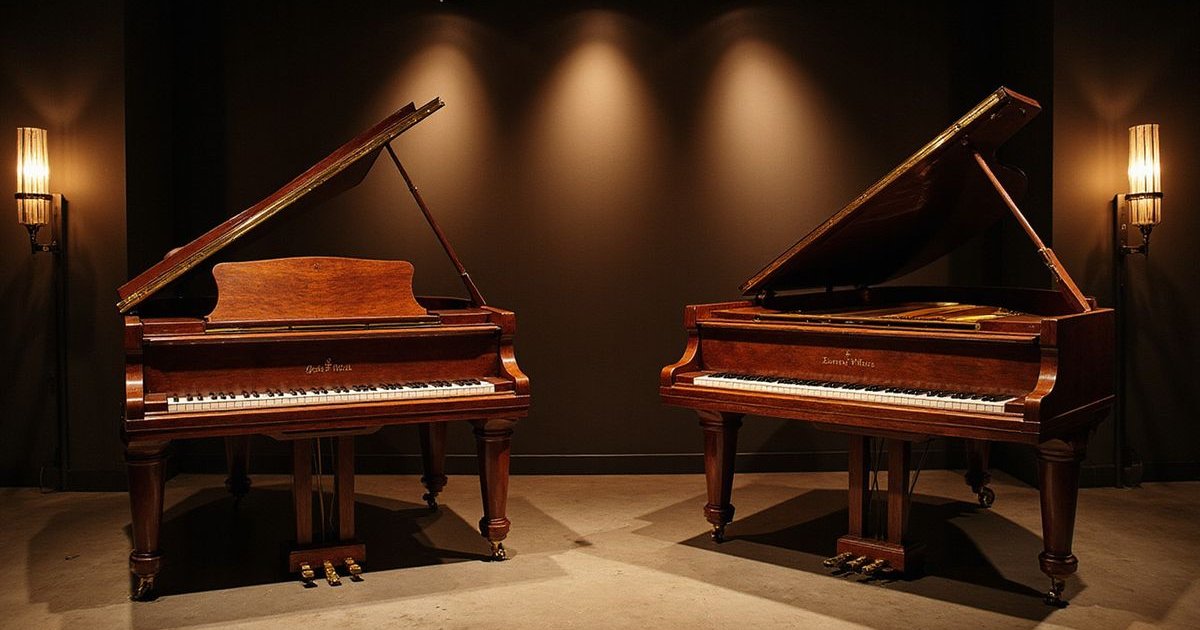
Some of the most common questions we hear in our showroom revolve around the debate of “fresh out of the box” versus “tried and true.” This choice is rarely just about money, as it also involves tone, longevity, and how the instrument fits into your home life.
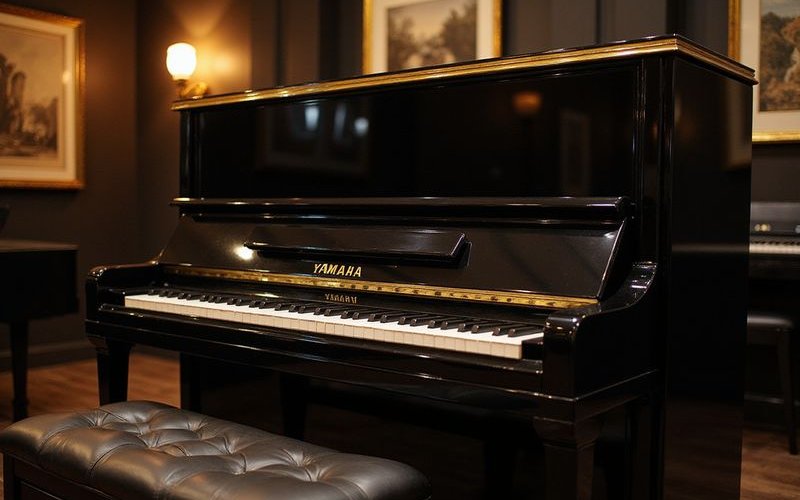
We know that navigating the piano market can feel overwhelming when prices for similar-looking instruments vary by thousands of pounds. The glossy appeal of a pristine Yamaha U1 is hard to resist, yet the character of a restored European upright has its own undeniable pull. Our team has guided countless families and institutions through this specific dilemma.
Let’s look at the data, the hidden costs, and the practical realities so you can make the right investment.
The Case for Buying New
Warranty and Peace of Mind
A new piano from an authorised dealer typically comes with a manufacturer’s warranty that offers significant security. In the UK, brands like Kawai now offer a 10-year warranty on acoustic parts, while Yamaha typically provides a 5-year guarantee. This protection covers manufacturing defects and gives you a clear path to resolution if an issue arises.
We find that this peace of mind is often the deciding factor for schools and busy professionals. You know exactly what you are getting with no hidden history of neglect or poor environmental conditions.
Consistency and Reliability
Modern manufacturing has reached remarkable levels of precision. If you play two new Yamaha U1 pianos side-by-side, they will likely feel and sound virtually identical. This consistency is a massive advantage if you are not a piano expert and simply want a reliable tool for practice.
The “Silent” Advantage
One area where new pianos have a distinct edge is technology. You can now purchase “hybrid” acoustic pianos with factory-installed silent systems, such as the Yamaha Silent Series or Kawai Aures. These systems allow you to play with headphones while preserving the touch of a real acoustic action. While you can retrofit these systems later, factory installations are often more integrated and reliable.
Long-Term Value vs. Depreciation
A quality new piano will easily serve you for 50 years or more if maintained well. However, you must be aware of the “VAT Drop.” As soon as a new piano is delivered, it loses the 20% VAT value immediately, similar to driving a new car off the lot. If you plan to keep the instrument for decades, this initial depreciation matters less.
The Case for Buying Secondhand
Significantly Lower Cost
The financial argument for buying a pre-owned piano is powerful. A brand new Yamaha U1 currently retails between £9,500 and £11,000 depending on the dealer and finish. In contrast, a high-quality, reconditioned Japanese-made U1 from the 1980s or 90s typically sells for £4,500 to £5,500. That is a saving of nearly 50%.
More Piano for Your Budget
We often advise clients to consider what else their budget could buy in the used market. For the same price as a beginner-level new piano (around £4,000), you could likely find a professional-grade secondhand instrument. You might trade the “new smell” for superior string length, better tonal depth, and a more responsive action.
Character and Charm
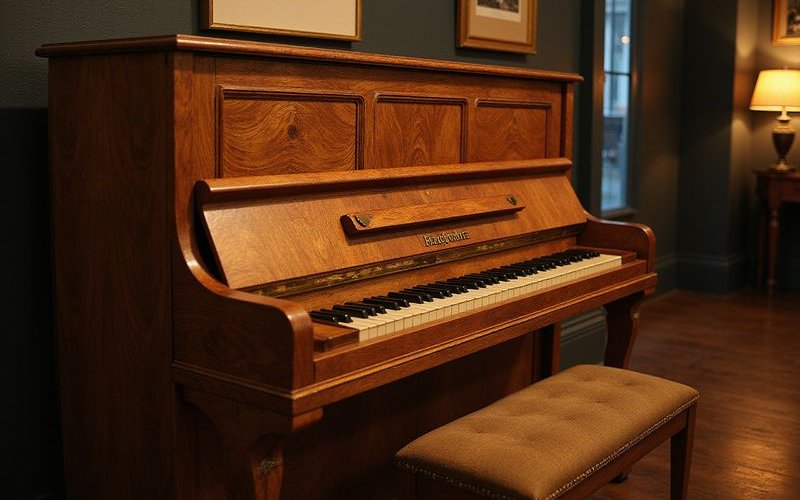
Older pianos often possess a warmth that modern, mass-produced instruments can sometimes lack. Instruments from quality British or European makers often feature unique cabinet work and a distinct “singing” tone. These intangibles are difficult to measure but are often the reason a player falls in love with a specific instrument.
Environmental Consideration
Buying secondhand is inherently more sustainable. You are extending the life of an existing instrument rather than driving demand for new raw materials and manufacturing processes.
The Real Risks of Secondhand
We would be doing you a disservice if we only highlighted the positives. Pre-owned pianos carry genuine risks that can turn a bargain into a money pit:
- The “Grey Market” Risk: This is a specific issue in the UK. Thousands of Yamaha and Kawai pianos are imported directly from Japan. These are often called “grey market” pianos. While many are excellent, some have lived in humid Japanese environments and may not be “seasoned” for the drier, centrally heated homes in the UK. Look for “blued” tuning pins or evidence of rust, which can indicate moisture damage.
- Hidden Structural Damage: A cracked soundboard or a loose pinblock (which holds the strings in tune) can cost thousands to fix. Restringing an upright piano in the UK typically costs between £2,100 and £2,800, which often exceeds the value of a cheap secondhand instrument.
- Worn Action Parts: Hammers and dampers wear out. A piano might look shiny on the outside but have an action that feels “spongy” or uneven due to decades of play.
- No Warranty: Private sales rarely come with guarantees. If the piano cannot hold its tune a week after you buy it, you have no recourse.
Quick Comparison: New vs. Secondhand
To help you visualize the trade-offs, here is a comparison based on current UK market averages for a professional-grade upright (like a U-series):
| Feature | New Professional Upright | Reconditioned Professional Upright |
|---|---|---|
| Typical Price (UK) | £9,500 - £11,000+ | £4,500 - £5,500 |
| Warranty | 5-10 Years (Manufacturer) | 2-5 Years (Dealer) |
| Depreciation | High initial drop (~20% VAT) | Low / Stable |
| Lifespan | 50+ Years | 20-40 Years (before major work) |
| Tech Options | Factory Silent Systems Available | Retrofit Required (~£2,000 cost) |
How to Buy Secondhand Safely
The risks of secondhand can be minimized if you follow a few strict protocols:
Buy from a specialist dealer We recommend finding a dealer who has already assessed and serviced the piano. They will usually offer a warranty (often 2-5 years) and won’t stake their reputation on a lemon.
Have it inspected If you find a private gem, pay a qualified piano technician to inspect it before money changes hands. The Piano Tuners’ Association (PTA) is a great resource for finding local experts in the UK.
Ask the right questions You need to know the instrument’s history. Ask specifically: “Has this piano been acclimated to a UK home?” and “When was it last tuned?” A piano that hasn’t been tuned in 10 years may require a “pitch raise,” which adds extra cost and instability.
Be realistic about “Free” pianos If an offer seems too good to be true, it almost certainly is. A “free to a good home” piano often requires £500+ in moving costs and thousands in repairs.
When to Choose New
Buy new if:
- You want complete peace of mind and a full 5-10 year manufacturer warranty.
- You require a factory-installed silent system for apartment living.
- You prefer modern consistency and low maintenance over vintage character.
- Your budget allows for a quality instrument without compromise.
- You plan to keep the piano for decades, mitigating the initial depreciation.
When to Choose Secondhand
Buy secondhand if:
- Budget is your primary constraint, but you still need a professional tone.
- You want to avoid the immediate 20% VAT loss on a new purchase.
- You appreciate the unique voice and history of older European or Japanese instruments.
- You are buying from a trusted specialist dealer who offers a guarantee.
- You have verified the instrument is not a “tired” grey market import with moisture issues.
A Third Option: Restored Vintage
There is a middle ground worth considering: professionally restored vintage pianos. These instruments have been carefully rebuilt with new strings, new hammers, and refurbished actions to bring them back to their peak performance.
We find that a restored piano from a top-tier maker (like Bechstein or Blüthner) can offer the soul of a vintage instrument with reliability close to that of a new one. They typically cost more than a standard used piano but significantly less than a new equivalent.
The Bottom Line
Both new and secondhand pianos can be excellent choices. The worst decision is buying a cheap piano from an unqualified source, whether it is a “budget” new brand with plastic parts or a neglected secondhand heirloom.
Quality matters more than age. A well-maintained 30-year-old Yamaha U1 will almost always outperform a brand-new entry-level piano that costs the same.
Whatever you decide, ensure you buy from someone who knows pianos and will stand behind what they sell. Visit our showroom to play both new and pre-owned options side-by-side, and let us help you find the instrument that speaks to you.
James Whitmore
James Whitmore is a qualified piano technician with over 20 years of experience. He founded Keys & Co. in 2018 to share his passion for helping people find the perfect piano.